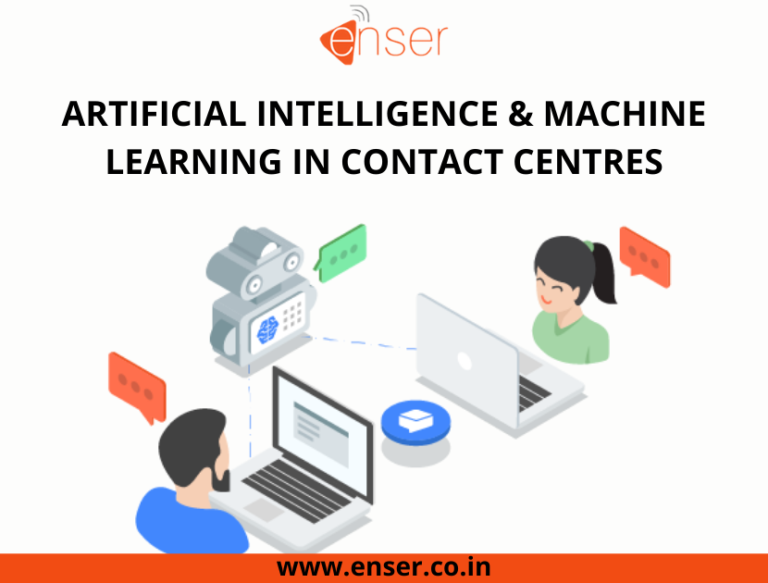

Introduction: The Emergence of AI in BPM
For decades, BPM was characterized by factors such as efficiency, scalability, and optimization. Nonetheless, the fast development of technology has introduced a significant change. Nowadays, AI within BPM is not an idea for tomorrow; rather, it is a reality that is already shaping the way companies conduct business.
The crucial issue is no longer the question of whether AI will affect BPM but of which companies will be quick enough to transform it.
Traditional BPM vs AI-Driven BPM
Conventional BPM firms had concentrated on:
- Customer relationship management
- Process management in the back office
- Sales management
- High volume and structured process execution
But now that artificial intelligence has been introduced in BPM, these capabilities are being upgraded to become more intelligent and knowledge-driven. The use of AI has helped in:
- Making intelligent customer relations
- Taking proactive approaches
- Automating workflows
- Involving humans strategically in critical areas
This transformation is making BPM more agile, efficient, and customer-centric.
Why AI in BPM is an Opportunity, Not a Threat
While many businesses fear automation, smart businesses understand that the potential for artificial intelligence in BPM is tremendous.
Rather than substituting humans, AI complements their jobs by:
- Automating repetitive processes
- Detecting customer intentions
- Determining risk indicator
- Increasing conversion rates
- Tailoring customer outreach efforts
- Interpreting customer sentiment through conversations
This change will enable humans to concentrate on more valuable tasks such as making decisions, empathizing, and building relationships.
The Role of AI-Enabled Agents in BPM
One of the most significant innovations that have occurred within the realm of AI application to BPM is the development of AI agents.
Such sophisticated machines can:
- Deal with first-tier customers
- Answer FAQs and other regular queries
- Collect data from customers
- Respond immediately and accurately
On the other hand, humans intervene when:
- Complex issues need to be resolved
- Persuasion is necessary
- EI is required
This hybrid model creates a powerful balance between automation and human expertise.
AI and Human Integration: The Future of BPM
The key to AI success in BPM is integration between technology and human skills.
Those that will win are:
- Using AI sooner rather than later
- Continuously training employees
- Designing workflows with AI
- Maintaining strong human relations
- Evolving service delivery processes
The modern professional is not merely a task doer but an experience creator backed up by AI technology.
AI in BPM for the BFSI Sector
The BFSI (Banking, Financial Services, and Insurance) industry offers considerable scope for AI within BPM.
Some of the areas where AI can be employed are:
- Improved customer onboarding
- Fraud detection and analysis
- Increased customer retention
- Customized financial services
Thus, AI emerges as an important element in the future of finance.
Building the Workforce for an AI-Driven Future
Change can never happen through technology alone. Humans also need to transform with technology.
The use of AI in BPM would require investment in:
- Training and upskilling
- Communication skills
- Process knowledge
- Workflow automation by AI
The firms that focus on both technology and humans will dominate the future of BPM change.
The Future of AI in BPM
But the influence of AI on BPM will neither shrink nor limit the industry; rather, it will transform it.
We are now stepping into an age when:
- Operators using conventional systems will become obsolete
- Organizations focused on transformation will emerge victorious
- Automation will be a helping hand to humans, instead of replacing them
In other words, future BPM isn’t about getting AI to outperform a human; it’s about finding a complementary relationship between the two.
Conclusion: Welcome the Change
Firms adopting AI in BPM now are merely getting ready for the future, which is good. At the same time, they are the ones defining the future.
The real change comes when automation is guided by human intellect. This is where we get a creative spark, a better experience for customers, and businesses that main their growth over time.